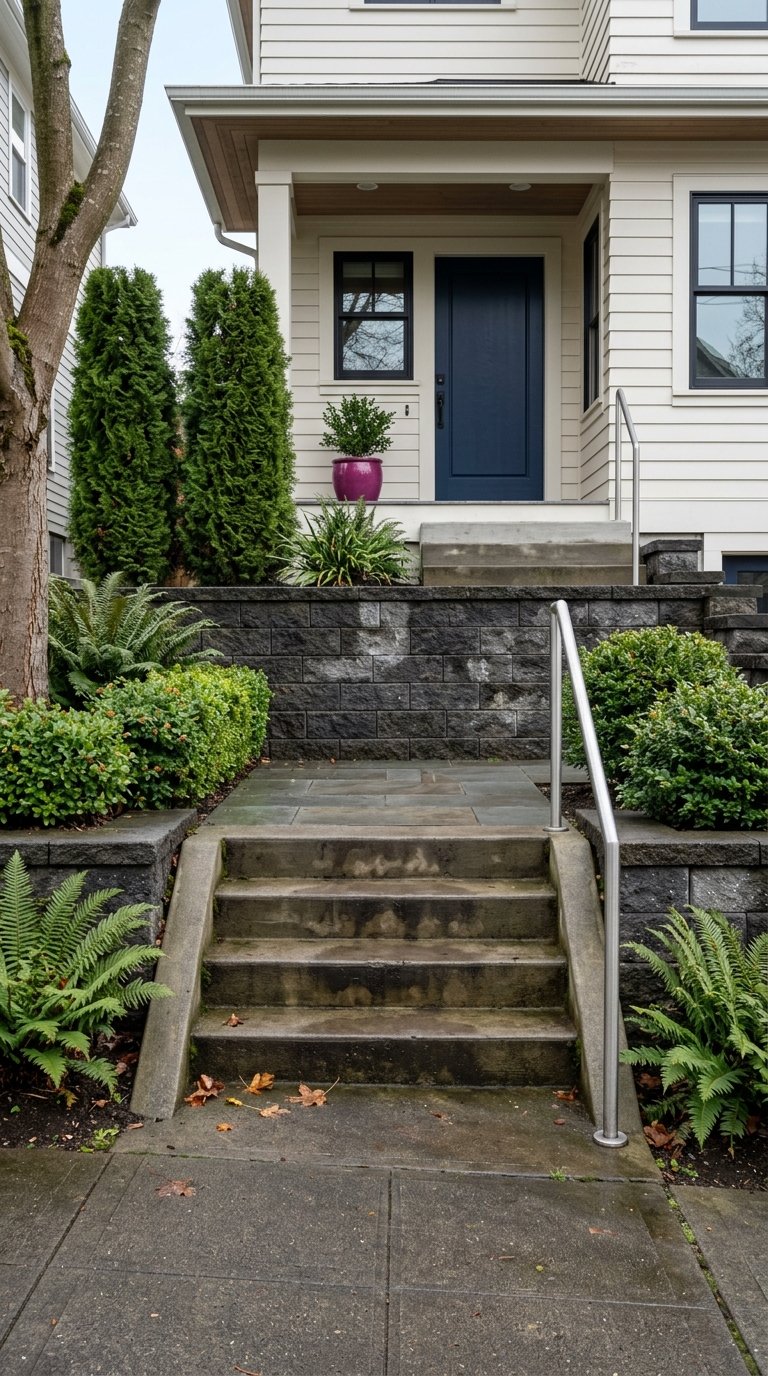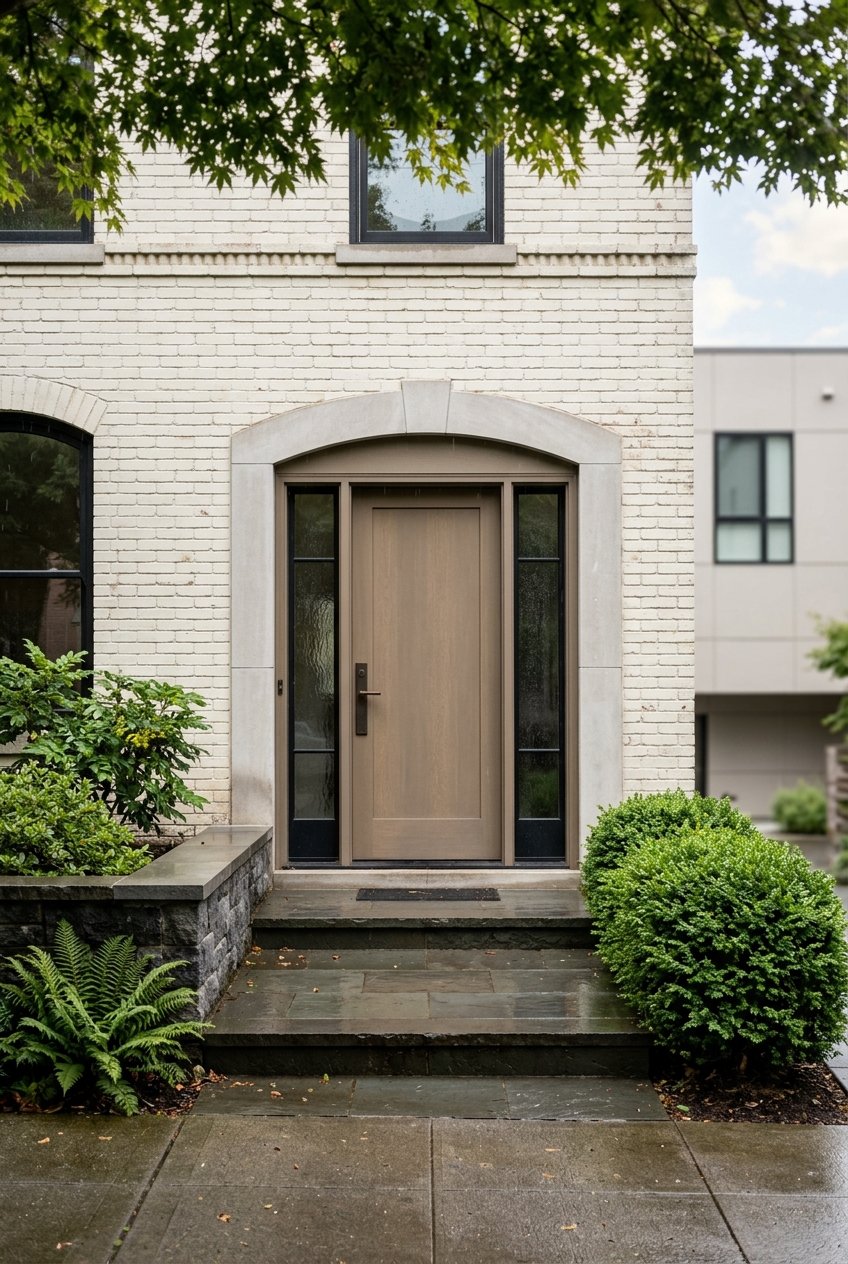
Capitol Hill is one of those Seattle neighborhoods where your idea of “home” can mean very different things from one block to the next. You might picture a historic house near Volunteer Park, a classic brick condo along a leafy street, or a sleek urban home close to Broadway and Capitol Hill Station. If you are trying to figure out which version of Capitol Hill fits your lifestyle, this guide will help you understand the neighborhood’s housing mix, its history, and what each home type tends to offer. Let’s dive in.
Why Capitol Hill feels so varied
Capitol Hill sits within Seattle’s First Hill/Capitol Hill regional center, an area the city describes as a dense hub for urban living, nightlife, institutional campuses, and strong walking, biking, and transit connections. That helps explain why the neighborhood feels so layered and active, with housing choices shaped by more than a century of growth.
City materials also show that Capitol Hill is a renter-heavy neighborhood with 20,587 housing units, 84% renter households, and a median gross rent of $1,903. Studios and one-bedroom homes make up a large share of the housing stock, which adds to the neighborhood’s compact, urban character.
For buyers, that means Capitol Hill is not a one-note market. It is a place where mansion-era streets, early apartment buildings, condos, loft-style spaces, and newer infill all exist within the same broader neighborhood.
Historic homes on Capitol Hill
Capitol Hill’s early residential pattern grew during the streetcar era. Historical records point to an early Broadway streetcar line by 1896, major platting by James Moore, and by 1915 a neighborhood filled with worker cottages, middle-class homes, Tudor mansions, and many brick-clad apartment buildings.
If you are drawn to older homes, Capitol Hill offers some of Seattle’s most established residential streetscapes. These areas often feel more formal and residential than the denser mixed-use corridors, with mature landscaping, tree-lined streets, and homes set on larger lots or with deeper setbacks.
Mansion-era streets near Volunteer Park
One of the best-known historic areas is the south side of Volunteer Park, once called Millionaire’s Row. This part of Capitol Hill became associated with large, architecturally distinctive homes during the early 20th century.
If you love classic architecture and a sense of history, this pocket may be especially appealing. Homes here tend to offer character, larger rooms, and a setting that feels set apart from the neighborhood’s busier commercial stretches.
Harvard-Belmont’s preserved character
The Harvard-Belmont Landmark District on the west slope is another key part of Capitol Hill’s historic identity. The district preserves tree-shaded streets, open vistas, and early-20th-century homes built largely between 1905 and 1910.
This local protection matters if you are considering a purchase there. Visible exterior work in the district requires city review, so buyers should expect a more structured process when planning changes to a home’s exterior.
Common architectural styles
Capitol Hill’s surviving historic houses include several recognizable architectural styles:
- Queen Anne
- Colonial Revival
- Arts and Crafts/Craftsman
- Classic Box/Foursquare
- English Arts and Crafts
- Tudor
For many buyers, the appeal is not just the look of the home itself. It is also the experience of living on streets with mature trees, established landscaping, and a strong sense of architectural continuity.
Classic apartments and condos
By the 1920s, Capitol Hill had become a dense apartment neighborhood. That legacy still shapes much of the housing you see today, especially around Broadway and the west slope.
Many of the neighborhood’s older apartment and condo buildings have architectural details that set them apart from newer construction. City historic-resource records describe Beaux Arts/Neoclassical, Spanish/Mediterranean, Tudor, and French Norman influences across these multifamily properties.
Why courtyard buildings stand out
One especially notable form is the courtyard apartment. These buildings became popular because they allowed greater density while still preserving privacy, light, air, and direct access to landscaped courts.
If you want a smaller footprint without giving up neighborhood charm, this type of home can be a compelling middle ground. You may get architectural character and a classic Capitol Hill feel, often with less direct exterior maintenance than a detached house.
A good fit for practical urban living
Older condos and apartment-style homes often appeal to buyers who want Capitol Hill character in a more manageable format. In general, they offer a balance between style, location, and lower day-to-day upkeep compared with a larger historic home.
That can be especially attractive if you want to be close to the neighborhood’s shops, dining, and transit while keeping your maintenance responsibilities more contained.
Urban lofts, condos, and newer infill
Capitol Hill is not frozen in time. Its housing stock continues to evolve through transit-oriented redevelopment and infill, especially near Capitol Hill Station and mixed-use corridors like Broadway and Pike/Pine.
Sound Transit reports that the Capitol Hill Station development added 110 affordable homes at Station House and 319 total homes plus retail and community space at Connection on Broadway. City station-area guidance also contemplated townhome-style units with individual entries, and recent design-review filings include townhome projects in the neighborhood.
Where loft-style homes fit in
Loft-style homes in Capitol Hill are most likely to appear in converted commercial buildings or other adaptive-reuse settings along mixed-use corridors. That reflects the neighborhood’s blend of older commercial/apartment buildings and repurposed structures.
If you are looking for open layouts, an industrial edge, or something that feels a little more contemporary, these homes may stand out. They often suit buyers who want an urban lifestyle and like the idea of living close to transit and daily amenities.
Newer homes near transit
New condos, lofts, and townhomes often line up well with buyers who prioritize easy access to walking, biking, and transit. In Capitol Hill, that is a major part of the appeal because the neighborhood is dense and deeply connected to the rest of Seattle.
For some buyers, a newer home near the station area offers the right blend of convenience and simplicity. You may trade some historic detailing for a more compact, lower-maintenance lifestyle and a location that supports getting around without relying as heavily on a car.
Which Capitol Hill home type fits you?
The best fit usually comes down to how you want to live day to day. Capitol Hill offers several distinct housing experiences, and each one comes with tradeoffs.
| Home Type | Often Appeals To | Key Considerations |
|---|---|---|
| Historic houses and mansions | Buyers who want architectural character, larger rooms, and more privacy | Older homes may require more upkeep, and landmark-district rules can affect exterior changes |
| Older apartments and condos | Buyers who want neighborhood character in a smaller footprint | Layouts and building systems can vary based on age and original design |
| Courtyard apartments and classic condos | Buyers who want charm plus a manageable urban lifestyle | Shared building ownership and common-area considerations matter |
| New condos, lofts, and townhomes | Buyers who prioritize transit, walkability, and lower maintenance | Homes may be more compact and more connected to active mixed-use areas |
If you love craftsmanship, mature streets, and a strong sense of place, the historic side of Capitol Hill may speak to you. If you want a lock-and-leave lifestyle with easy access to restaurants, transit, and everyday convenience, a condo, loft, or townhome may make more sense.
What buyers should keep in mind
Capitol Hill works best when you narrow your search around lifestyle, not just square footage. A beautiful old house and a newer condo may both be in Capitol Hill, but they can deliver very different daily experiences.
As you compare options, think about a few practical questions:
- How much maintenance do you want to handle?
- Do you prefer historic detail or newer finishes?
- How important are walkability, biking, and transit access?
- Do you want a quieter residential setting or a more active urban environment?
- Are you comfortable with potential review requirements if a home is in a protected historic district?
These questions can help you focus quickly, especially in a neighborhood with as much variety as Capitol Hill.
Why local guidance matters in Capitol Hill
Because Capitol Hill has such a layered housing stock, it helps to work with someone who can explain the differences block by block and building by building. A buyer looking near Volunteer Park may need a very different strategy than someone focusing on Broadway, Pike/Pine, or the station area.
That is where calm, neighborhood-specific guidance really matters. With the right plan, you can sort through architectural character, maintenance expectations, location tradeoffs, and lifestyle fit in a way that feels clear instead of overwhelming.
Whether you are looking for a historic home with presence, a classic condo with charm, or a modern urban space with easy access to the heart of Seattle, Capitol Hill offers a wide range of possibilities. If you want help matching the right home type to your goals, Nancy Wallace Homes can guide you with clear communication, local insight, and a polished, high-touch approach.
FAQs
What types of homes are common in Capitol Hill, Seattle?
- Capitol Hill includes historic houses, mansion-era properties, older brick apartment and condo buildings, courtyard apartments, newer condos, loft-style homes, and townhome-style infill.
What is the Harvard-Belmont Landmark District in Capitol Hill?
- The Harvard-Belmont Landmark District is a locally protected historic area on Capitol Hill’s west slope known for tree-shaded streets, open vistas, and early-20th-century homes, and visible exterior changes there require city review.
Are there historic mansions near Volunteer Park in Capitol Hill?
- Yes, the south side of Volunteer Park became known as Millionaire’s Row and remains associated with large, architecturally distinctive early-20th-century homes.
Are loft-style homes available in Capitol Hill, Seattle?
- Yes, loft-style homes are most likely found in converted commercial buildings or adaptive-reuse settings along Capitol Hill’s mixed-use corridors.
Is Capitol Hill a good neighborhood for condo buyers?
- Capitol Hill can be a strong option for condo buyers who want a compact home, access to walking, biking, and transit, and a choice between classic character buildings and newer development.
What should buyers know about living in a historic Capitol Hill home?
- Buyers should expect architectural character and more privacy in many historic homes, but they should also plan for the realities of owning an older property, including possible upkeep and, in protected districts, rules around visible exterior work.