If your ideal Seattle day starts with a trail, a view, or a quiet stretch of shoreline, Magnolia deserves a closer look. This neighborhood stands out for people who want outdoor access woven into daily life, not saved for the occasional weekend plan. From bluff-top walks to beach time and neighborhood park routines, Magnolia offers a calmer, nature-forward side of Seattle. Let’s take a closer look.
Magnolia feels quiet and scenic
Magnolia sits northwest of downtown Seattle and has a noticeably more residential feel than many other Seattle neighborhoods. King County describes it as largely residential, with limited retail and commercial use outside Magnolia Village.
That layout helps shape the experience of living here. The county also notes that Magnolia has only three access points, which contributes to its small-community feel and makes it seem a bit more removed from the city’s busier districts.
The neighborhood’s setting also plays a big role in its appeal. Seattle Parks notes that Magnolia Boulevard and the neighborhood itself were named for the bluffs, which helps explain why elevated walks, open skies, and water views are such a defining part of the area.
For outdoor lovers, that matters. You are not just near green space here. In many parts of Magnolia, the landscape is part of your everyday routine.
Discovery Park anchors outdoor life
For many people, the biggest draw is Discovery Park. Seattle Parks describes it as Seattle’s largest park, and it offers the kind of natural setting that is hard to match within city limits.
The park overlooks Puget Sound and includes views of both the Cascade and Olympic mountain ranges. Seattle Parks also says it features protected tidal beaches, meadows, sea cliffs, forest groves, sand dunes, thickets, and streams.
What makes Discovery Park especially appealing is its flexibility. You can go for a longer trail walk, spend time on the beach, stop for scenic overlooks, or simply enjoy a quieter break outdoors without needing a full-day outing.
It also appeals to people who enjoy nature at a slower pace. The Seattle city archives describe Discovery Park as a notable birdwatching destination with more than 230 resident or migratory species.
Another memorable feature is West Point Lighthouse, built in 1881. It can be viewed from the South Beach Trail, adding a bit of history to the outdoor experience.
Bluff-top views add daily appeal
Magnolia’s outdoor appeal is not limited to one major park. The neighborhood also offers smaller, easy-to-reach places that support everyday walks, picnics, and scenic pauses.
Magnolia Boulevard is one of the best examples. Seattle Parks describes it as a long strip of green space with Puget Sound views, making it well suited for a quick walk, a moment outside between errands, or an easy sunset stop.
Magnolia Park adds another option for casual outdoor time. Seattle Parks says it sits on Magnolia Bluff and includes mature trees, picnic sites, grills, a play area, and reservable picnic areas, along with a strong Puget Sound view.
These smaller spaces help explain why Magnolia often feels so livable for people who prioritize the outdoors. You do not always need to plan a major outing. In many cases, the views and open space are already built into the neighborhood.
Outdoor routines fit everyday life
One reason Magnolia appeals to outdoor lovers is that its recreation options support both planned adventures and ordinary daily habits. That balance can be hard to find in a city neighborhood.
Magnolia Playfield is part of that equation. Seattle Parks describes it as stretching for several city blocks next to Magnolia Community Center and Mounger Pool, giving residents another easy option for casual recreation close to home.
Mounger Pool adds a seasonal layer to neighborhood life. Seattle Parks identifies it as a summer-only facility, which makes it part of Magnolia’s warm-weather rhythm rather than a year-round indoor amenity.
This kind of mix matters if you are looking for a neighborhood that feels active without feeling hectic. Magnolia supports low-key, repeatable outdoor routines, whether that means a morning walk, an afternoon at the playfield, or a summer swim nearby.
Water and views shape the neighborhood
Magnolia’s connection to the water is another part of its appeal. King County notes that waterfront properties run along Puget Sound, with high-bank homes on the western and southern edges and low-bank properties along Shilshole Bay.
The county also notes that some low-bank properties may include private moorage buoys and private docks. Even if you are not searching for shoreline property, those details reinforce how much marine access and water orientation influence the neighborhood’s identity.
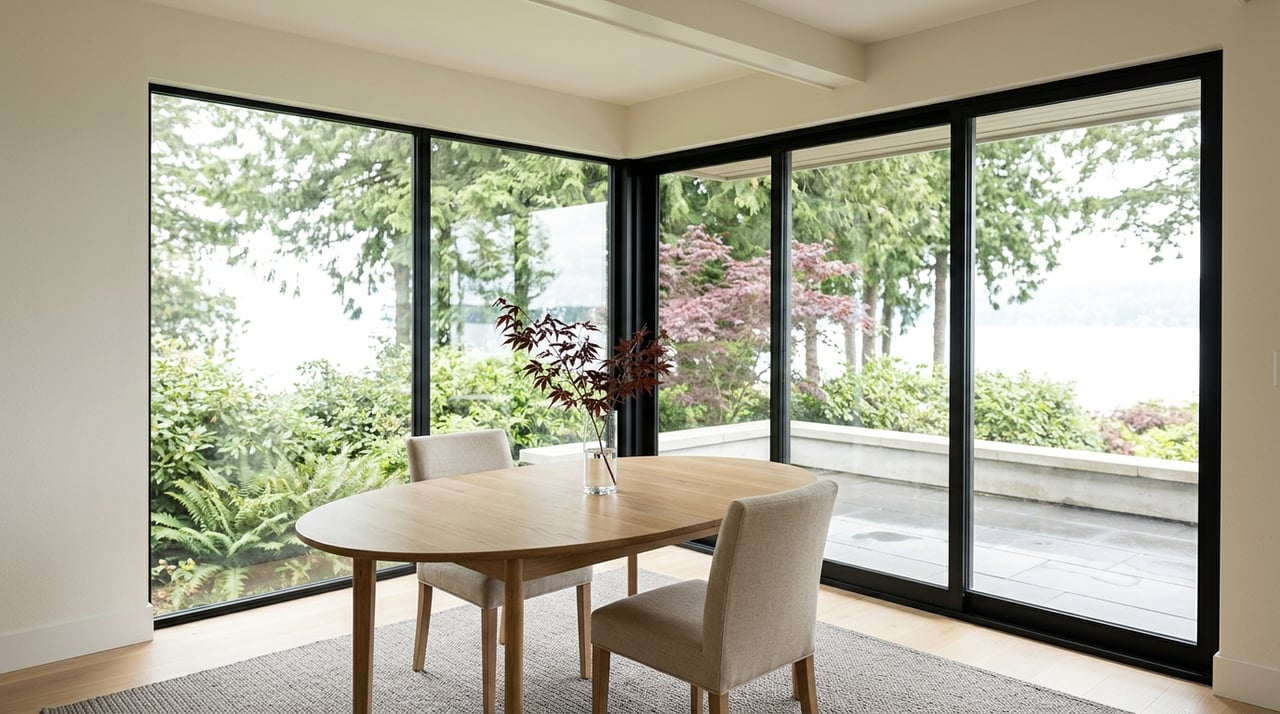
Views are also a meaningful part of the local housing story. According to King County, about 40% of Magnolia parcels have some degree of view, often including Puget Sound, the Seattle skyline, or the Cascade and Olympic Mountains.
For buyers who care about setting, that is a major point of interest. It helps explain why Magnolia often stands out for people who want homes tied closely to scenery, light, and a strong sense of place.
Magnolia Village complements the parks
A great outdoor neighborhood usually works best when nature and convenience support each other. In Magnolia, that balance shows up in the village core.
Discover Magnolia describes the neighborhood’s business districts as pedestrian-friendly and mixed, with boutiques, retail stores, professional services, coffee shops, bakeries, health and beauty services, and dining options.
In practical terms, that means your routine can feel simple and local. You might start with a walk in Discovery Park or along Magnolia Boulevard, then stop in the village for coffee, a meal, or a few errands without leaving the neighborhood.
That convenience makes the outdoor lifestyle here feel sustainable. It is not just about scenic destinations. It is about how easily those destinations fit into your normal week.
Seasonal events keep Magnolia active
Magnolia’s appeal also extends beyond trails and overlooks. Seasonal activities help create a neighborhood rhythm that feels connected to both place and community.
The Magnolia Farmers Market is listed as a weekly summer market, operating on Saturdays from June 6 through October 10 in 2026, with additional Harvest and Holiday markets later in the year. For many residents, that kind of recurring event adds another reason to stay local and spend time outdoors.
Seattle Parks also says Magnolia Community Center hosts recurring seasonal events, including a spring egg hunt, Magnolia Summer Fest, a toddler Halloween carnival, and a gingerbread-house decorating party.
Taken together, these details support a bigger point. In Magnolia, outdoor living is not limited to exercise or sightseeing. It is part of how the neighborhood functions through the seasons.
Why outdoor lovers keep Magnolia on the list
If you are comparing Seattle neighborhoods, Magnolia stands out because it brings together several things at once. You get a quieter residential setting, a major natural asset in Discovery Park, smaller daily-use parks, strong water and mountain views, and a village center that supports easy routines.
That combination is a big reason outdoor-minded buyers continue to pay attention to this area. The neighborhood feels scenic and a little tucked away, but it still offers access to the essentials that make day-to-day life convenient.
For some buyers, Magnolia is appealing because it feels like a place where nature is always close. For others, it is the balance of views, walkability within the village core, and residential character that makes it worth a closer look.
If you are exploring Seattle neighborhoods with lifestyle in mind, Magnolia is one of the clearest examples of how outdoor access can shape the feel of everyday living. If you want guidance on Magnolia or other Seattle neighborhoods, Nancy Wallace Homes is here to help you navigate the options with clear, local insight.
FAQs
Why does Magnolia appeal to outdoor lovers in Seattle?
- Magnolia appeals to outdoor lovers because it combines bluff-top scenery, shoreline access, everyday parks, and Discovery Park, which Seattle Parks describes as Seattle’s largest park.
What makes Discovery Park important in Magnolia?
- Discovery Park is a major draw because it offers trails, protected tidal beaches, meadows, forested areas, and views of Puget Sound and the Cascade and Olympic mountain ranges.
Does Magnolia have views from many homes?
- King County notes that about 40% of Magnolia parcels have some degree of view, often including Puget Sound, the Seattle skyline, or the Cascade and Olympic Mountains.
What is Magnolia Village like for daily errands and outings?
- Discover Magnolia describes the business districts as pedestrian-friendly and mixed, with coffee shops, bakeries, dining, retail, and professional services that support convenient neighborhood routines.
Are there smaller parks in Magnolia besides Discovery Park?
- Yes. Seattle Parks highlights places like Magnolia Boulevard, Magnolia Park, and Magnolia Playfield, which support walks, picnics, play, and casual outdoor time close to home.