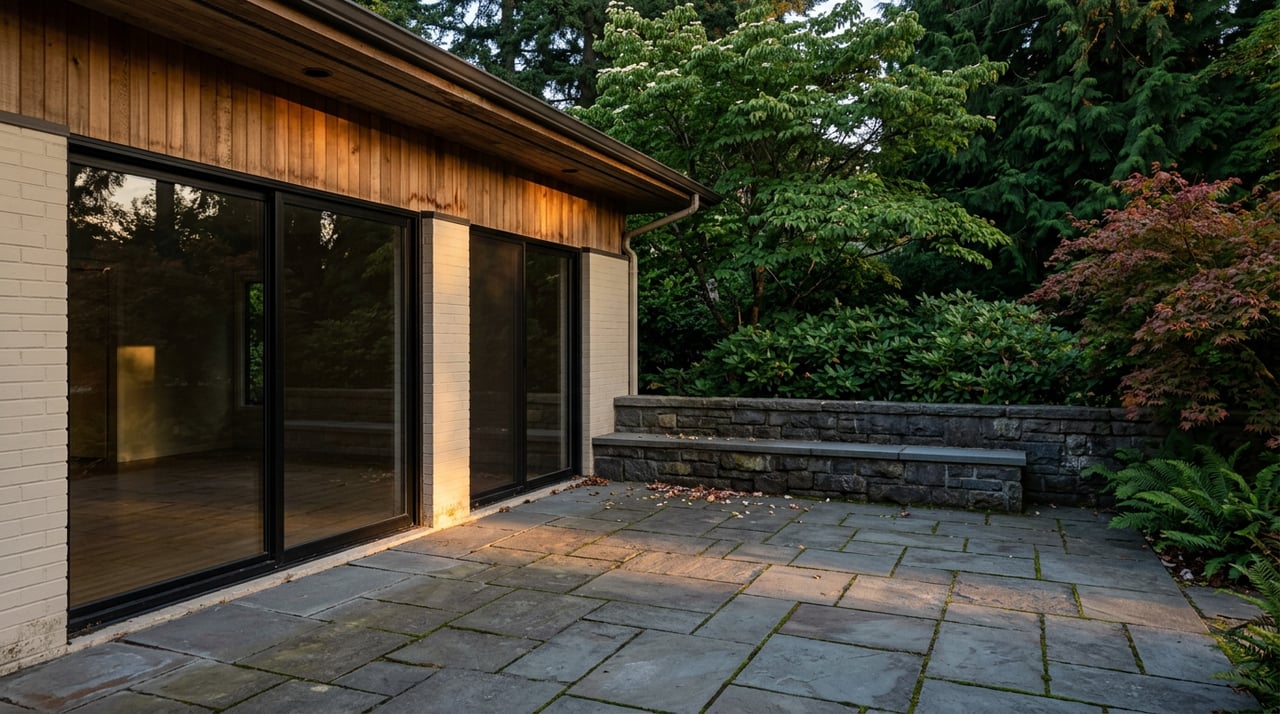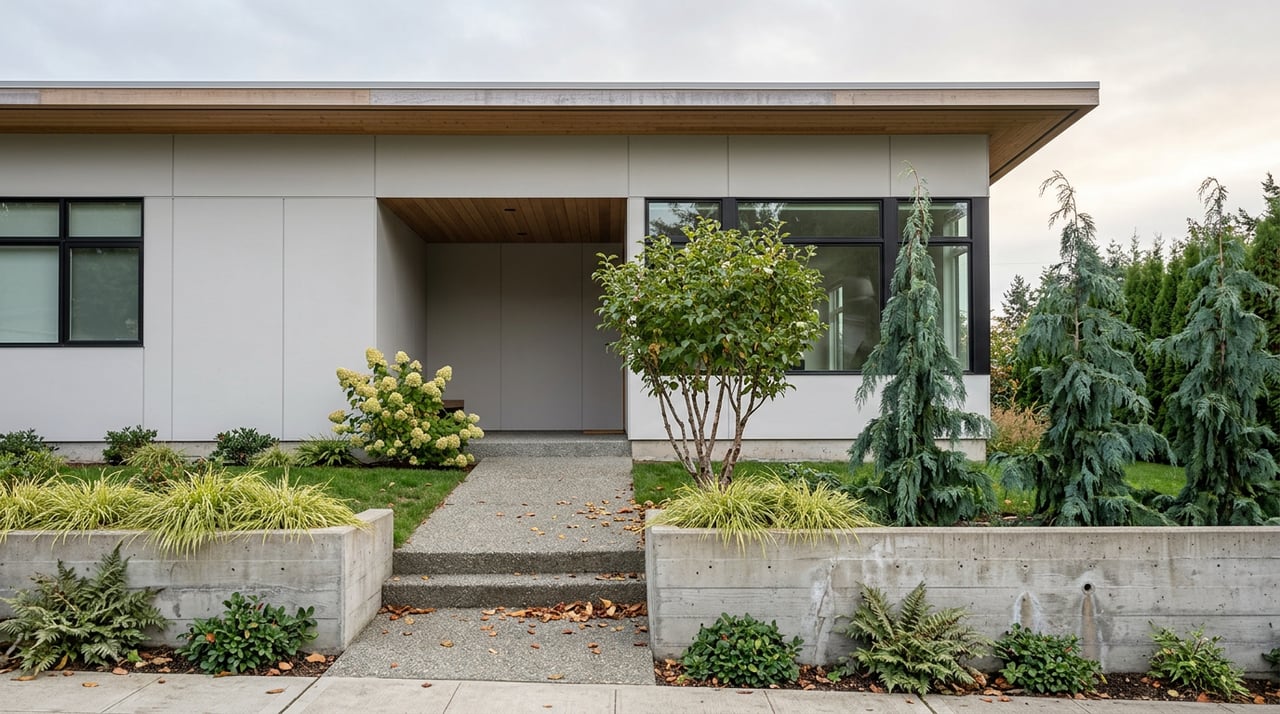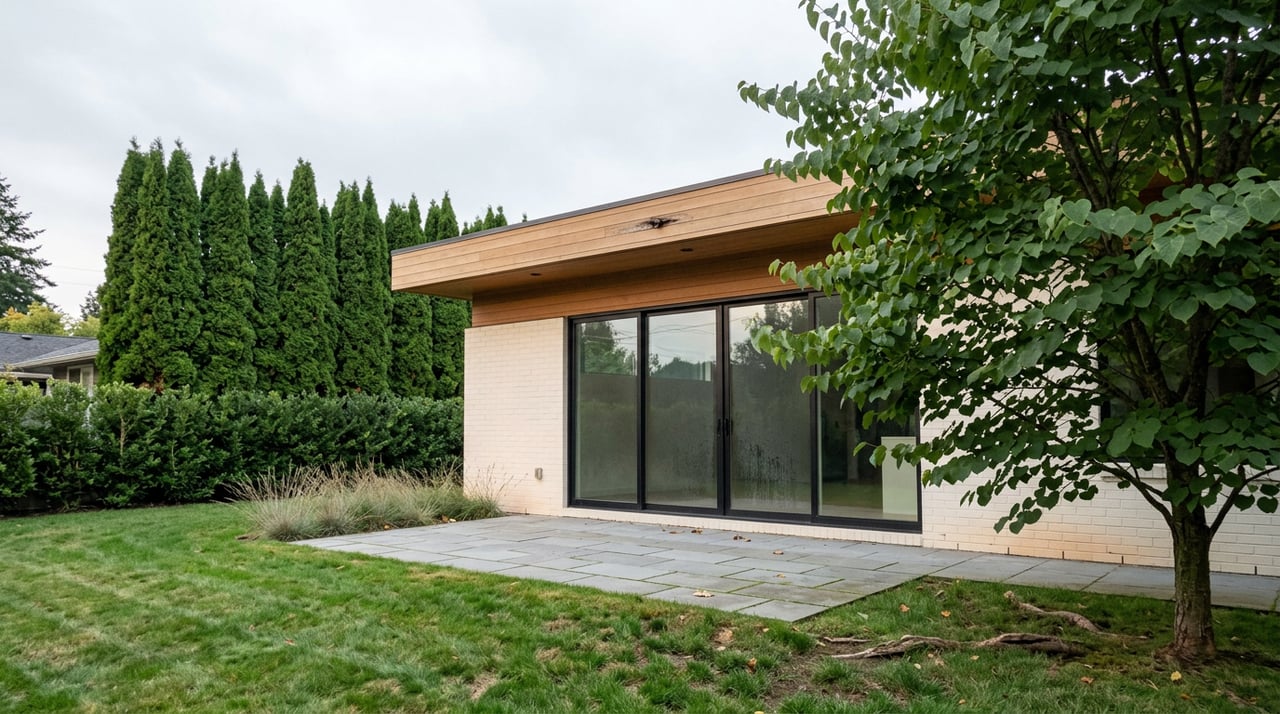
A buyer comparing homes on the same block in Mercer Island once ran into a problem that had nothing to do with financing or inspection contingencies. The two houses sat forty feet apart, same lot size, same square footage on paper. One was a 1962 daylight rambler that had been in the same family for three decades. The other was a ground-up modern build finished the year before. The appraisal that came back for the second house treated the first one as a comparable sale, and the numbers didn't reconcile. That mismatch isn't a fluke. It's what happens when a market runs on two different pricing logics at once and gets reported as if it were one.
Mercer Island's median home price gets quoted constantly, and it changes depending on which corner of the island you're actually asking about. Understanding why matters more than memorizing the number itself, especially if you're comparing the island against Kirkland, Bellevue, or another close-in Eastside city.
Why the Same Street Can Produce Wildly Different Comps
Most of Mercer Island's residential land was never built to allow more housing than what's already there. As of the city's 2024 comprehensive plan review, roughly 83 percent of the island's residential land was zoned exclusively for single family homes, and that zoning didn't change when the city's more recent housing updates took effect. New lots don't get created on an island with this little room to expand. Growth happens by tearing down what's there and rebuilding on the same footprint, not by subdividing.
That's why teardown-and-rebuild activity has become the island's default path to a new home rather than the exception. Local builders who work the island regularly note that most custom projects here involve either a full teardown-rebuild or a major addition on an existing parcel, because there's rarely another option. Custom construction on the island generally runs $500 to $900 per square foot depending on site conditions and finish level, and a project typically takes 12 to 18 months from groundbreaking to move-in, with several more months of permitting and design work in front of that. Waterfront and hillside sites that need significant grading tend to land at the higher end of that range.
The practical effect on pricing is that the land, not the structure, is doing most of the work in what a home is ultimately worth. A dated rambler and a new architect-built spec home can occupy the same square footage on paper and still sell for very different prices, because buyers aren't really pricing square footage. They're pricing the lot, the orientation, and what can legally be built there. That's the mismatch that trips up appraisals when the comp pulled is the wrong analog for the property being valued.
Why Every Site Quotes a Different Number
If you've searched "Mercer Island median home price" recently, you've probably noticed the number moves depending on where you look. That's not sloppy reporting. It's several sources measuring different slices of the same island.
| What's being measured | Approximate figure | Time window |
|---|---|---|
| Rolling 12-month single-family sale median | around $2.4 million | reported spring 2026 |
| Monthly residential sale median (all types) | $2.62 million | May 2026 |
| Three-month sale median | $2.5 million | through June 2026 |
| Active listing asking-price median | $2.12 million | July 2026 |
| New-construction-only listing median | $2.6M to $2.69 million | mid-2026 |
Some of these are sold prices, some are asking prices on active listings. Some cover only new construction, others blend in the older housing stock that makes up most of the island. None of them are wrong. They're just answering different questions, and a single "Mercer Island median" pulled from any one of them isn't a clean stand-in for the market as a whole. If you're weighing a Mercer Island listing against something in Kirkland, the first useful question isn't "what's the median," it's "what segment of that median am I actually looking at."
The One Corner Where the Old Rules Might Not Hold
There's a second Mercer Island market, and it behaves nothing like the teardown economy that sets the tone everywhere else on the island. It's Town Center, and 2026 has been the first year in over a decade where its supply picture has actually started to move.
East Link light rail opened its Mercer Island station on March 28, 2026, connecting the island directly to Seattle and Bellevue by train for the first time. That alone would be notable. What makes it more consequential is the timing against a state-mandated deadline. A 2025 Growth Management Hearings Board ruling found the city's prior comprehensive plan didn't do enough on housing capacity near transit, and gave Mercer Island until July 31, 2026 to fix it. This summer, the city adopted compliance ordinances that consolidate Town Center and the adjacent multifamily zones into a single zone allowing buildings up to 8 stories in most of the area and up to 6 stories in the former multifamily fringe, a real change for a neighborhood that spent much of the last decade under development moratoriums rather than construction cranes. Only 159 new apartments broke ground in Town Center in the years leading up to light rail's arrival, a modest number for the area closest to the island's only rail connection.
You can already see small signs of that corner waking up. Danji Korean Cuisine, expanding from its original Issaquah location, is opening a second restaurant at 2707 78th Ave SE, a storefront that has cycled through Alpenland Delicatessen and Pogacha over the years and has become something of a bellwether for turnover in Town Center's food scene. The Mercer Island Farmers Market runs every Sunday through October 11 this year at Mercerdale Park, five weekends past where most people assume the season wraps up.
None of that changes the single-family teardown market a few blocks away, where scarcity of buildable lots keeps setting the price floor regardless of what gets built in Town Center. But it does mean Town Center is the one place on the island where new supply, not just new demand, is actually entering the picture. If you're trying to read where Mercer Island pricing might move differently than the rest of the Eastside over the next few years, this is the neighborhood to watch rather than the waterfront blocks that have priced the same way for decades.
What This Means If You're Comparing Mercer Island to Another Eastside City
- Ask whether the median you're quoted is a sold price or an asking price, and over what window. A three-month sold median and a same-day active-listing median can differ by hundreds of thousands of dollars without either number being inaccurate.
- On single-family and waterfront parcels, expect the appraisal to hinge on land value and buildable potential more than square footage alone, especially if you're comparing an older home to a rebuilt one nearby.
- Waterfront specifically carries its own timeline. Bulkhead condition often needs a marine engineer's review, dock structures require separate permitting, and flood zone classification affects insurance costs long before closing.
- Town Center is the segment most likely to see genuine supply-driven price movement over the next few years, given the light rail connection and the zoning changes adopted this summer. The rest of the island isn't operating under the same constraints.
Quick Answers
Does the Town Center upzone mean home prices on Mercer Island are about to drop? Not on the single-family side. The upzone only applies within Town Center's boundaries. The scarcity that sets prices in the rest of the island, where the land is zoned single-family and can't be subdivided, hasn't changed.
Is Mercer Island's median price rising or falling right now? It depends which measure you use. The three-month sold median through June 2026 was up slightly year over year, while July 2026's active-listing asking median was down from a year earlier. Both can be true at once because they're measuring different things.
Should I expect the same appraisal comps for an older home and a rebuilt one on the same street? Not automatically. An appraiser pulling the wrong analog, an older home as a comp for a new build or vice versa, is a common friction point here. It's worth raising directly with your lender and agent before the appraisal is ordered.
Mercer Island rewards buyers and sellers who know which market they're actually standing in before they start comparing numbers. If you're weighing a purchase here against Kirkland, Bellevue, or a close-in Seattle neighborhood, or you're getting ready to sell into the island's teardown economy, Nancy Wallace Homes can walk through what the current data actually means for your specific property and timeline. Let's Connect.