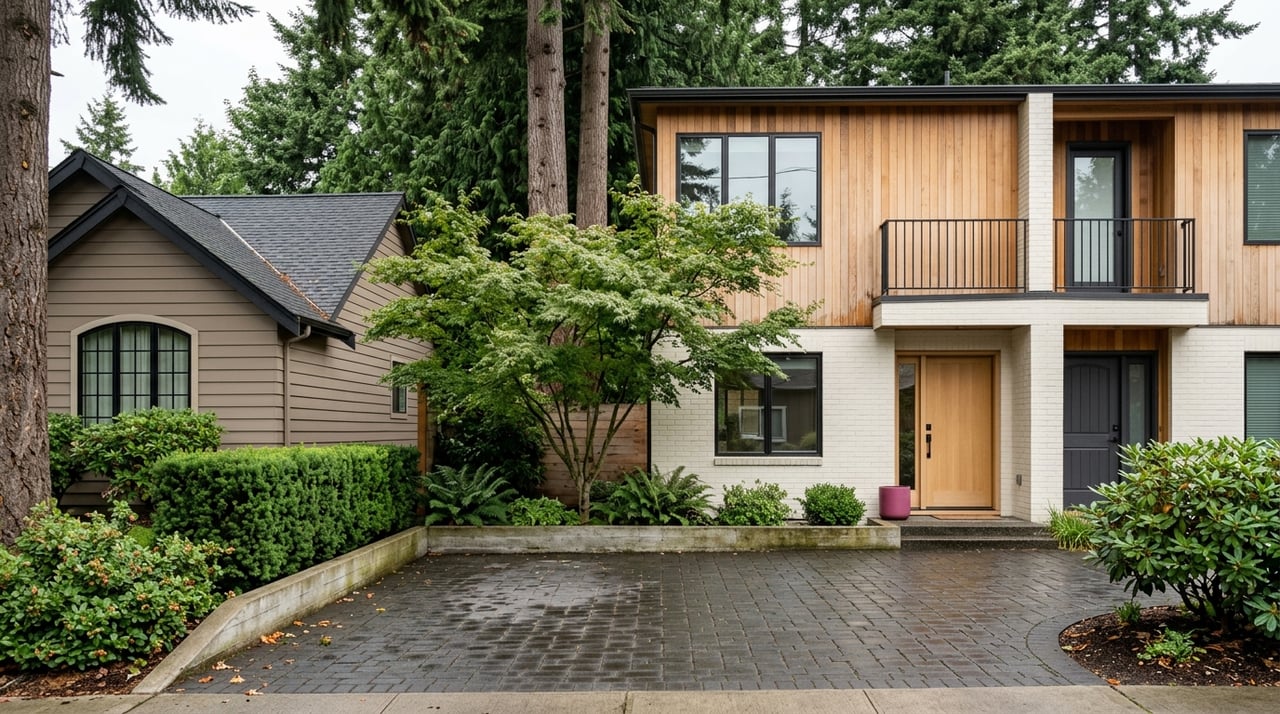
Wondering where to focus your Kirkland home search? You are not alone. For many Eastside buyers, Kirkland looks simple on a map but feels very different once you start comparing waterfront pockets, urban centers, quieter residential areas, and evolving transit corridors. This guide will help you understand how Kirkland’s housing styles and micro-areas fit different goals, budgets, and daily routines. Let’s dive in.
Why Kirkland Feels Different Block by Block
Kirkland is not one uniform market. The city has 14 neighborhoods in its comprehensive plan, and its growth strategy is shaped by neighborhood plans, urban-center plans, and transportation planning.
For buyers, that matters because your experience can change quickly from one area to another. In practice, many buyers compare a few distinct micro-areas instead of treating Kirkland like a single suburb.
Two areas anchor the citywide layout: Greater Downtown Kirkland and Totem Lake. These are Kirkland’s designated urban centers, and they tend to offer the strongest mix of housing, services, and transit-oriented planning.
Start With Your Buyer Priorities
Before you narrow your search, it helps to ask a few simple questions. Do you want walkability, a shorter commute, easier access to parks and the waterfront, or more detached-home inventory for your budget?
In Kirkland, housing style and location are closely tied together. If you know what matters most in your day-to-day life, you can sort the city into practical search zones much faster.
Downtown Kirkland Area
Moss Bay Offers the Widest Mix
Moss Bay is Kirkland’s most mixed-use district. Downtown retail, office space, industrial uses, a marina, established single-family pockets, and large multifamily development all exist in the same area.
For buyers, this creates one of the broadest product mixes in the city. You will see condos, newer townhomes, attached homes, and a smaller number of detached homes on older lots.
The neighborhood plan encourages dense residential and mixed use around the perimeter of downtown. That makes Moss Bay a strong fit if you want an urban feel with a range of housing choices.
Market and Norkirk Feel More Residential
Near downtown, Market and Norkirk often appeal to buyers who want proximity without being in the center of the most active mixed-use areas. These neighborhoods are more residential in character, but still closely connected to downtown Kirkland.
Market includes a mix of older and newer housing, along with ADUs, cottage-style homes, duplexes, triplexes, and mixed commercial and multifamily uses along Market Street. Norkirk is mostly residential and includes some of Kirkland’s oldest homes, with higher-intensity uses toward its south end near Market Street.
If you want access to downtown amenities but prefer a more neighborhood-oriented setting, these areas are often worth a close look.
What Buyers Should Expect Here
This downtown-oriented group tends to work well for buyers who value a more connected, pedestrian-friendly environment. Greater Downtown Kirkland is planned as a compact, pedestrian- and transit-oriented area, and it includes the Kirkland Transit Center and about one mile of the Cross Kirkland Corridor.
Pricing also reflects that core location. Recent market data places Moss Bay around a $1.2 million to $1.25 million median sale price, which lines up with a location that can include condo entry points, newer attached housing, and premium view properties.
Central Houghton and Lakeview
Premium Residential Positioning
Central Houghton and Lakeview sit in one of Kirkland’s more premium residential bands. Central Houghton is still predominantly low-density residential, while Lakeview blends residential areas, offices, and commercial centers such as Carillon Point and Yarrow Bay.
These areas tend to appeal to buyers who want established neighborhoods, lake-adjacent positioning, and strong access to shoreline and trail connections. The city’s planning documents highlight lake views, shoreline access, and nonvehicular connections, including the Cross Kirkland Corridor.
Housing Style and Setting
In Central Houghton, the housing stock is described as diverse, but the overall feel remains primarily residential. In Lakeview, the setting includes a mix of homes, office uses, and destination commercial pockets.
If your search is centered on detached homes in established surroundings, this part of Kirkland often enters the conversation early. It is especially relevant if you want to stay close to Lake Washington without being in the middle of downtown.
Price Expectations in This Area
This is not typically where buyers go for entry-level pricing. Recent Central Houghton sales have ranged from around $1.5 million to more than $3 million, which signals a strong upper-tier detached-home market.
For many buyers, the tradeoff is clear: higher pricing in exchange for location, neighborhood feel, and proximity to the lake.
Totem Lake to NE 85th
Kirkland’s Growth Corridor
Totem Lake is one of the most important areas for Eastside buyers to understand. It functions as both a residential neighborhood and a major employment, retail, and health-services center.
The area includes The Village at Totem Lake, Totem Lake Transit Center, Evergreen Hospital, and Totem Lake Park. For buyers who want daily conveniences nearby, that mix can be very attractive.
Why NE 85th Matters
The NE 85th Street Station Area is Kirkland’s main future housing-and-jobs growth area. It is centered on a future BRT stop anticipated around 2027, and the city says recent zoning changes have significantly increased housing and commercial capacity there.
The city also notes that low-density housing types are now prohibited in much of the station area. That is an important clue for buyers who are trying to anticipate what this part of Kirkland may feel like over time.
Best Fit for Attached Housing Buyers
This corridor is often one of the strongest matches for buyers who want newer multifamily housing, townhomes, or transit-oriented options close to jobs and services. It tends to be less about classic shoreline housing and more about convenience, growth, and access.
Rose Hill adds to that picture. Its neighborhood plan envisions apartments, stacked flats, mixed-use buildings, and townhouses around business districts and the station area, while quieter interior sections remain lower density.
Pricing Advantage Relative to Core Kirkland
For buyers comparing value, Totem Lake often stands out. Recent market data shows a median sale price around $875,000, which is well below Kirkland’s citywide median.
That helps explain why many buyers see this area as one of the more accessible ways into the Kirkland market. If you want Kirkland but need a more manageable entry point, this corridor deserves serious attention.
Kingsgate and Rose Hill
More Variety in the Interior Neighborhoods
Kingsgate is still primarily residential and is associated with older detached-style homes. At the same time, the neighborhood plan points to higher-intensity housing near the neighborhood center and around parks and open-space edges.
Rose Hill offers another blend. Buyers will find lower-density detached homes in quieter interior sections, with more apartments, townhouses, and mixed-use housing around the edges of business districts and the station-area influence zone.
What This Means for Buyers
These neighborhoods can work well if you want to balance traditional residential streets with increasing housing variety. They may appeal to buyers who are open to newer attached options but still want access to more classic detached-home pockets nearby.
Because they connect to the broader Totem Lake and NE 85th growth story, they are especially relevant for buyers who want to watch how Kirkland evolves over the next several years.
Finn Hill, Juanita, and Bridle Trails
Detached-Home Focus With Different Tradeoffs
Finn Hill and Juanita are often part of the “more house for the money” conversation compared with Kirkland’s lake-adjacent core. That does not mean inexpensive, but it can mean somewhat better value relative to shoreline-close locations.
Finn Hill is mostly low-density residential. The city says about 80 percent of the neighborhood is low-density, with only about 3 percent multifamily, while higher-intensity uses are concentrated near major streets and commercial areas.
Juanita Adds Waterfront Access and Corridor Changes
Juanita remains important for buyers who want access to parks and Lake Washington amenities. City planning work is advancing the Green Loop through Finn Hill and Juanita, and corridor improvements are moving forward along Juanita Drive between Juanita Beach Park and NE 141st Street.
That creates a different kind of Kirkland lifestyle than downtown or Totem Lake. For many buyers, the appeal is a more residential setting with access to outdoor amenities and established neighborhoods.
Bridle Trails Is a Niche of Its Own
Bridle Trails is one of Kirkland’s most distinct low-density niches. The city’s planning emphasizes preserving residents’ ability to keep horses and maintain the area’s equestrian character, while still allowing compact housing, ADUs, and cottage development.
If you are looking for something more specialized and lower density on Kirkland’s western edge, Bridle Trails stands apart from the city’s other micro-areas.
Pricing Snapshot for North Kirkland Areas
Recent market data shows South Juanita around $1.1 million and Finn Hill around $1.22 million. Those numbers suggest these are still firmly premium Eastside neighborhoods, just with a different value equation than the shoreline core.
They may make sense if you want detached-home inventory and are comfortable with more car dependence than you would likely find in downtown Kirkland or Totem Lake.
Commute, Walkability, and Daily Routine
Kirkland’s transportation strategy focuses on a safer, more connected, multimodal network and on reducing reliance on single-occupancy vehicles. The city even uses a 10-minute-neighborhood analysis to measure where residents can reach daily needs without driving.
For buyers, that means walkability and connectivity are not spread evenly across the city. Some areas are set up for more errands and connections on foot or by transit, while others remain more car-oriented.
The most transit-connected areas are generally the urban centers and station areas. Greater Downtown Kirkland and Totem Lake stand out here, while Finn Hill and South Juanita are associated with lower walkability and greater car dependence.
Parks, Trails, and Waterfront Access
Waterfront access is one of Kirkland’s biggest differentiators. The city identifies waterfront parks in several parts of Kirkland, including David E. Brink Park in Moss Bay and Doris Cooper Houghton Beach Park in Lakeview.
Juanita Beach Park is another important landmark in the north end. If being near the water is part of your lifestyle goal, that can quickly narrow the most relevant search areas.
It is also important to remember that shoreline property is tightly controlled. Kirkland’s Shoreline Master Program applies to land within 200 feet of Lake Washington’s ordinary high-water mark and is intended to protect shoreline resources and public access.
Price Positioning Across Kirkland
Kirkland remains a premium Eastside market, but its pricing is not uniform. Recent market data shows the citywide median sale price at about $1.33 million, compared with Bellevue at about $1.55 million.
That places Kirkland below Bellevue, but not in discount territory. Both cities are still considered very competitive.
A practical buyer map looks something like this:
- Downtown and Moss Bay: broad mix of condos, townhomes, attached housing, and some detached homes
- Central Houghton and Lakeview: premium attached and detached homes, often with stronger lake-adjacent appeal
- Totem Lake and NE 85th corridor: newer multifamily and townhome options, plus a more accessible price point for many buyers
- Finn Hill, Juanita, Kingsgate, and parts of Rose Hill: more detached-home inventory with different tradeoffs in walkability and commute style
A Final Note on Housing Change
One local nuance matters across all of Kirkland: housing types are becoming more varied, even in areas long associated with detached homes. The city’s middle-housing code amendments now allow a broader range of housing forms in predominantly residential zones.
That includes duplexes, triplexes, fourplexes, fiveplexes, sixplexes, townhouses, stacked flats, courtyard apartments, and cottage housing. As a buyer, it is worth looking not just at what a neighborhood is today, but also at the direction city policy may support over time.
If you are trying to sort through Kirkland’s micro-areas, the most useful first step is to match your budget, commute, and housing style to a few focused search zones instead of trying to learn the whole city at once. That kind of neighborhood-by-neighborhood clarity can save time and lead to better decisions. If you want help comparing Kirkland options with a clear local strategy, Nancy Wallace Homes would love to help.
FAQs
What are the main micro-areas buyers compare in Kirkland?
- Buyers often compare Downtown Kirkland and Moss Bay, Market and Norkirk, Central Houghton and Lakeview, Totem Lake and NE 85th, Kingsgate and Rose Hill, plus Finn Hill, Juanita, and Bridle Trails.
Which Kirkland area may offer a lower entry price for buyers?
- Totem Lake often stands out as one of the more accessible Kirkland entry points, with recent median pricing below the citywide median.
Which Kirkland neighborhoods are more likely to have detached homes?
- Central Houghton, Finn Hill, Juanita, Kingsgate, Bridle Trails, and interior parts of Rose Hill tend to be more relevant if you want detached-home inventory.
Which Kirkland areas are more walkable or transit-oriented?
- Greater Downtown Kirkland, Moss Bay, Totem Lake, and the NE 85th station area are generally the most aligned with walkability and transit-oriented planning.
How should buyers think about waterfront access in Kirkland?
- Waterfront access can be a major lifestyle differentiator in areas such as Moss Bay, Lakeview, and Juanita, but shoreline properties are also subject to tighter local regulations and access considerations.
Is Kirkland becoming more diverse in housing types?
- Yes. Kirkland’s middle-housing changes allow more housing types in predominantly residential zones, so buyers should not assume every lower-density area will remain purely detached over time.